
Skip to content
Skip to content
First order? Enjoy 10% off with code
Bulk Dehydrated Food Ingredients for Restaurants and Food Brands
sourcing 6 min read

Bulk Dehydrated Food Ingredients for Restaurants and Food Brands

By Rare Locals B2B Team
HomeJournalsourcing
How kitchens and brands use dried fruit, vegetable flakes and powders to cut waste, stabilise cost and add real-ingredient claims.

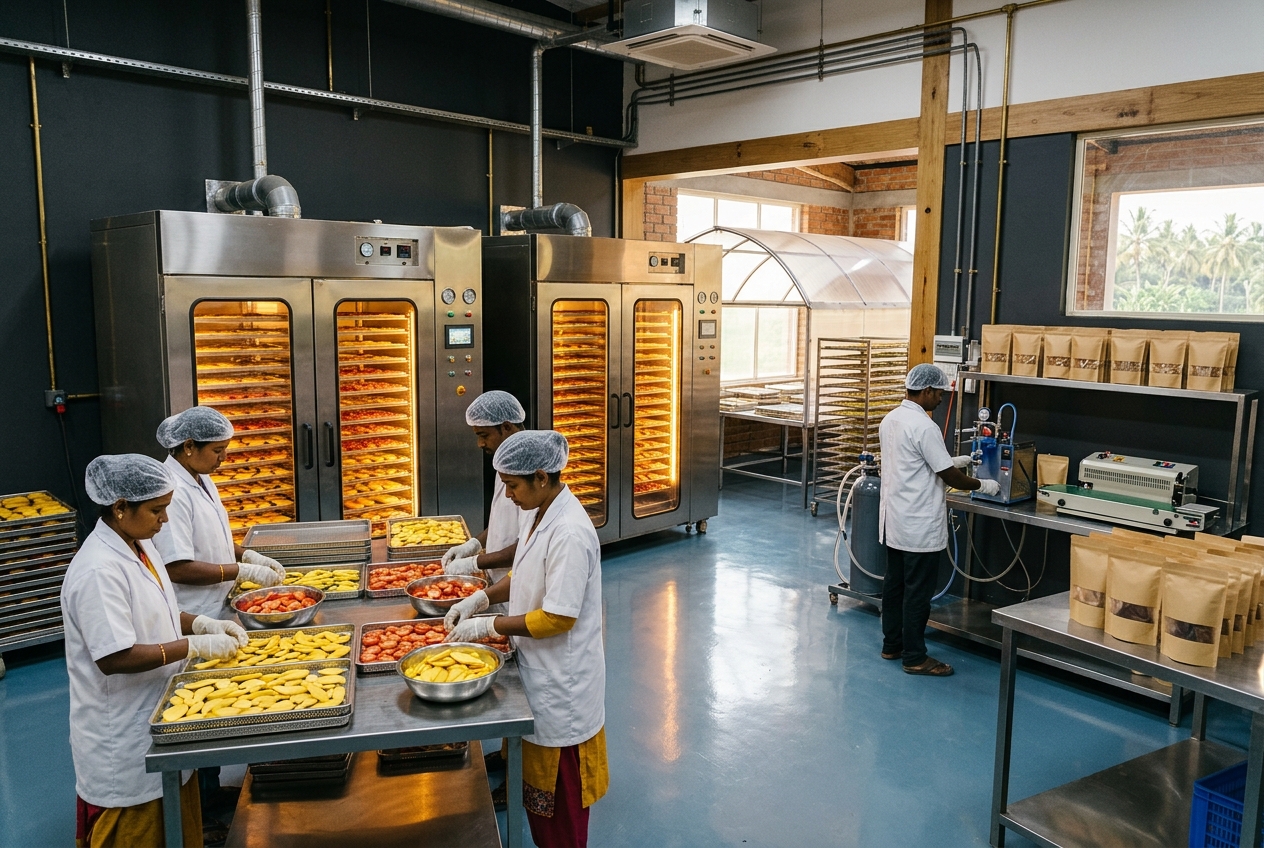
Fresh produce is 80–90% water that you pay to transport, store and throw away when it spoils. Dehydrated ingredients remove that water once, at the plant, and hand you a shelf-stable product that behaves the same in June as in December.

For restaurants, cloud kitchens and central kitchens

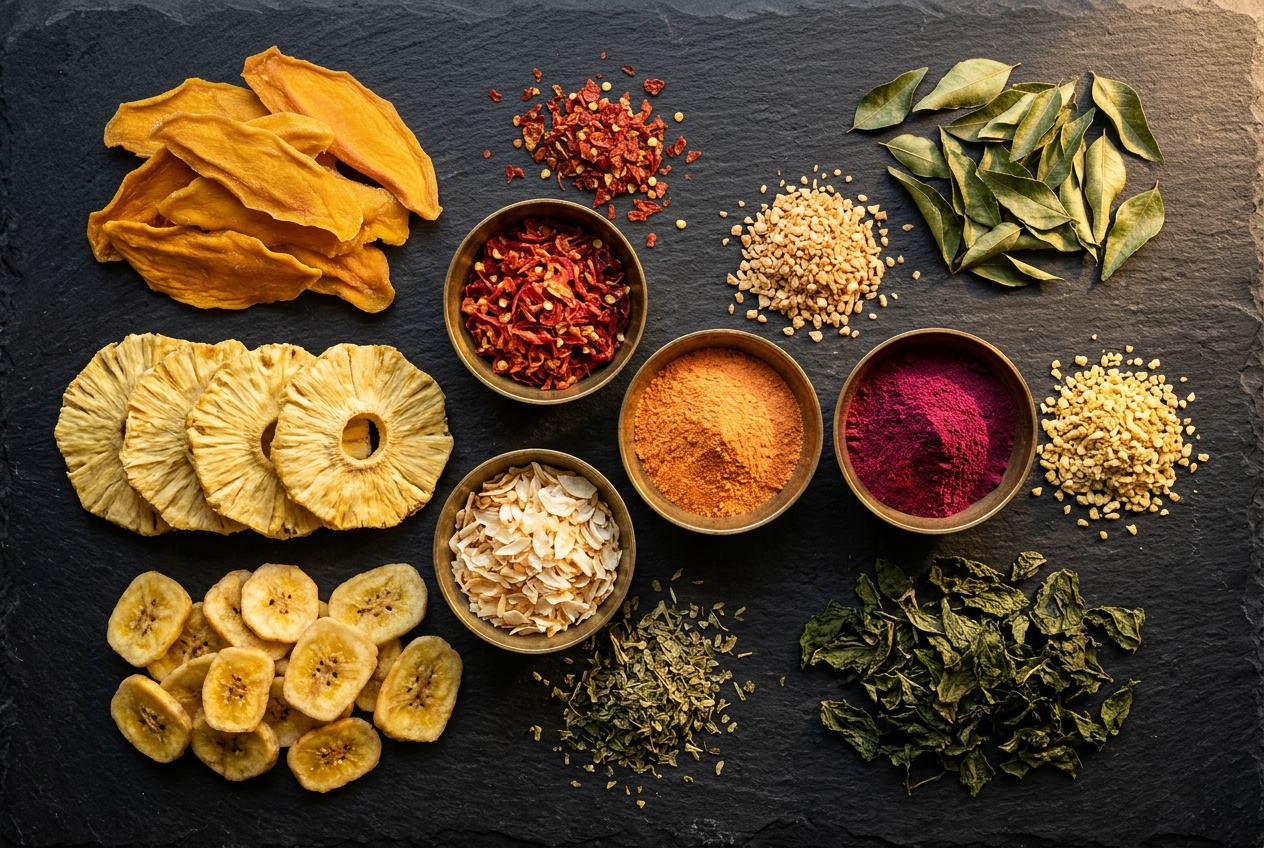
  • Garnishes and toppings: dried fruit slices on desserts and boards; tomato and onion flakes on pizzas and salads.
  • Prep stability: vegetable flakes rehydrate on demand, so no half-used fresh stock at the end of a slow day.
  • Consistency across outlets: one specification, one supplier, the same flavour in every kitchen.

For packaged-food brands

  • Fruit inclusions in granola, bars and bakery.
  • Vegetable powders and granules in seasonings, premixes and ready-to-cook kits.
  • Private-label dried fruit and pet treats sold under your own brand.

What to ask a supplier

Where the produce is grown; how it is dried (temperature matters for colour); whether anything is added; how lots are coded; and whether they will run a trial batch before you commit. You will find our answers on the plant page and the B2B catalogue.

Request a bulk quotation →

#food service#bulk ingredients#HoReCa
Share
    Free Shipping on Orders above ₹500 • Ships from Bengaluru • Rare in Nature. Local at Heart.
    RARE LOCALS
    The Journal

    Bulk Dehydrated Food Ingredients for Restaurants and Food Brands

    How kitchens and brands use dried fruit, vegetable flakes and powders to cut waste, stabilise cost and add real-ingredient claims.

    Fresh produce is 80–90% water that you pay to transport, store and throw away when it spoils. Dehydrated ingredients remove that water once, at the plant, and hand you a shelf-stable product that behaves the same in June as in December.

    For restaurants, cloud kitchens and central kitchens

    • Garnishes and toppings: dried fruit slices on desserts and boards; tomato and onion flakes on pizzas and salads.
    • Prep stability: vegetable flakes rehydrate on demand, so no half-used fresh stock at the end of a slow day.
    • Consistency across outlets: one specification, one supplier, the same flavour in every kitchen.

    For packaged-food brands

    • Fruit inclusions in granola, bars and bakery.
    • Vegetable powders and granules in seasonings, premixes and ready-to-cook kits.
    • Private-label dried fruit and pet treats sold under your own brand.

    What to ask a supplier

    Where the produce is grown; how it is dried (temperature matters for colour); whether anything is added; how lots are coded; and whether they will run a trial batch before you commit. You will find our answers on the plant page and the B2B catalogue.

    Request a bulk quotation →